Hands-on, manuscript, space or dinosaur — your museum pick
「Which exhibit would you visit first in a museum?」
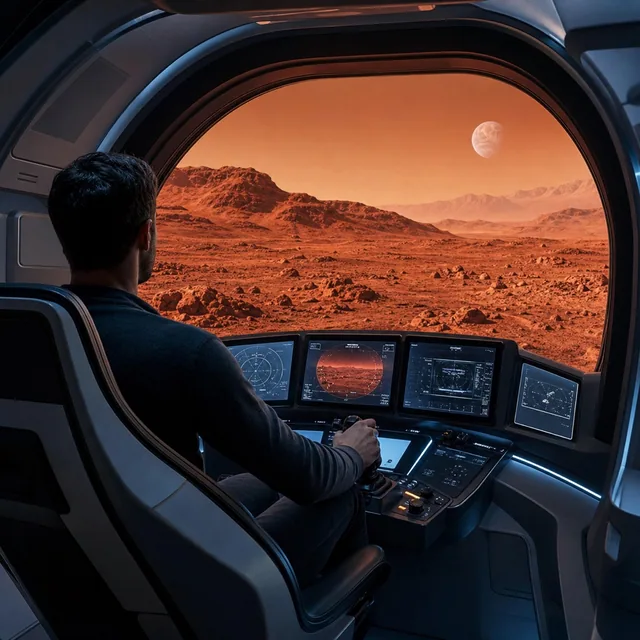
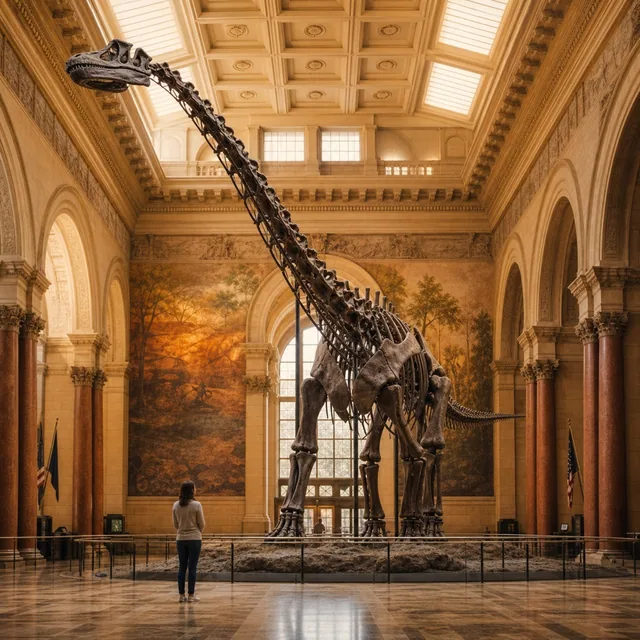
At the museum entrance you're handed a floor map. A hands-on exhibit you can touch and talk about, an ancient manuscript in a glass case, a space exploration simulator, and a giant dinosaur skeleton in the atrium. You have all day — where do your feet go first? Curiosity has a direction, and this is where you find out yours.
The four options and who picks them


Side by side
Curiosity isn't one trait. Kashdan and colleagues measured it along several dimensions — joyous exploration, deprivation sensitivity, social curiosity, thrill seeking and more (Journal of Research in Personality, 2018, doi:10.1016/j.jrp.2017.11.011). Museum researcher Falk, meanwhile, sorts visitors by motivation into explorers, facilitators, hobbyists and others (Identity and the Museum Visitor Experience, 2009). This question lines up curiosity that's shared with people (hands-on), curiosity that sinks into detail (manuscript), curiosity aimed at the future and the unknown (space), and curiosity drawn to sheer scale (fossil), and asks which way your 'I want to know' points. People who head for the hands-on exhibit absorb knowledge by talking about it; they'd rather have a place to say 'look at this' than a plaque to read alone. Those who stand before the manuscript can find centuries inside a small glass case, and tend to slip away from the crowds into the quiet rooms. Space-simulator people are interested in places nobody has been yet, and light up at the future more than the past. Fossil people have the honesty to be moved by 'it's huge' before any explanation, and are chasing the experience of being overwhelmed itself.
Same pick vs. different pick
Same exhibit means you won't lose each other on a museum date — a rare pairing where nobody suggests splitting up at the entrance. Hands-on plus manuscript is 'I want to talk' versus 'I want to look quietly', so agreeing upfront to wander separately for an hour and regroup makes everyone happier. Space plus fossil are both suckers for anything enormous; expect to be still standing in the atrium when the closing announcement comes.
FAQ
I don't go to museums much.
You don't need to. Look at the four pictures and pick the one where you could happily spend thirty minutes. It usually matches what catches your eye in everyday life.
Why does this question often come up last?
The order changes every game, but this question tends to sum things up: it aligns the direction of your curiosity, and the tendencies seen in earlier questions often come together here.